


If you’re reading this, you’re probably feeling a knot in your stomach. Maybe you just started using CBD for sleep or pain relief, and now you’re wondering if it could cost you your job. Or maybe you’re considering trying CBD but the drug test question is holding you back.
We get it. At Nature’s Arc Organics, we hear this question more than almost any other: “Can CBD show up on a drug test?”
The short answer is: It can, but there’s a caveat. CBD itself won’t show up on a drug test, but some CBD products containing trace amounts of THC will show up, and that’s what drug tests are actually looking for.
The real answer depends on what type of CBD you’re using, how often you use it, and whether your product is truly THC-free or just labeled that way.
Let’s cut straight to what you need to know.
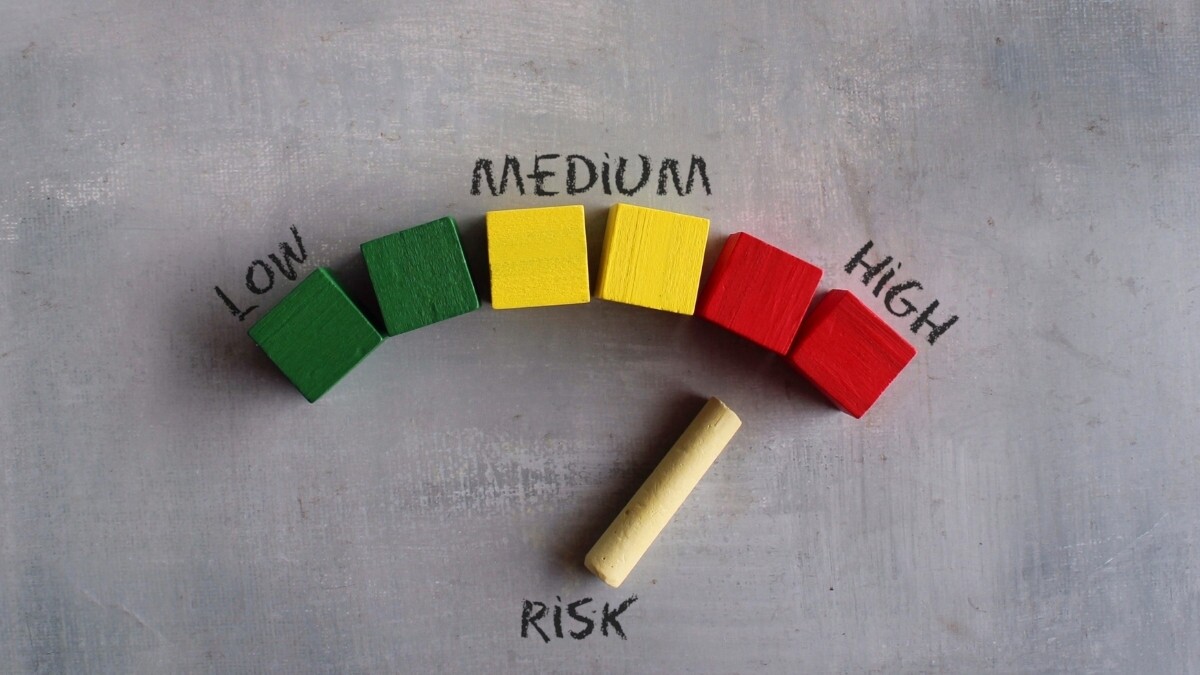
Find Your Risk Level: The CBD Drug Test Decision Tree
Before we dive into the details, let’s figure out where you stand right now. Follow the path that matches your situation:
START HERE: What type of CBD product do you use (or plan to use)?
Scenario A: You are using Full-Spectrum CBD
What it contains: All cannabinoids from the hemp plant, including up to 0.3% THC
How often do you use it?
| Usage Frequency | Your Risk Level |
| Daily or multiple times per day | HIGH RISK – THC accumulates in your system over time |
| A few times per week | MODERATE RISK – Depends on dosage and your metabolism |
| Occasionally (once a week or less) | LOW-MODERATE RISK – Less accumulation, but not zero risk |
Scenario B: You are using Broad-Spectrum CBD
What it contains: Multiple cannabinoids with THC supposedly removed
Does the Certificate of Analysis (COA) show “ND” (non-detectable) or “0.0%” for THC?
| COA Status | Your Risk Level |
| Yes, verified ND or 0.0% THC | LOW RISK – Minimal concern with verified products |
| No COA available | MODERATE RISK – You can’t verify what’s actually in it |
| COA shows trace amounts of THC | MODERATE RISK – “Broad-spectrum” isn’t always THC-free |
Scenario C: You are using CBD Isolate
What it contains: Pure CBD only (99%+ CBD, no other cannabinoids)
Is it from a reputable brand with third-party testing and available COA?
| Verification Status | Your Risk Level |
| Yes, verified and tested | LOWEST RISK – This is your safest option |
| No, unknown, or can’t verify | LOW-MODERATE RISK – Quality varies widely in unverified products |
Scenario D: I Don’t Know What Type I’m Using
No worries. You’re not alone. Check your product label for terms like “full-spectrum,” “broad-spectrum,” or “isolate.” If it doesn’t say, or if you’re still unsure, keep reading. We’ll help you figure it out and make a more informed choice going forward.
What Your Risk Level Means
HIGH RISK: Regular use of full-spectrum products can cause THC to accumulate in your body, potentially triggering a positive result on standard drug tests. Consider switching to a verified THC-free option.
MODERATE RISK: Your results depend on product quality, testing accuracy, and your individual usage patterns. Verification is key. Don’t rely on label claims alone.
LOW-MODERATE RISK: Unlikely to trigger a standard drug test, but not impossible. Depends on variables like your metabolism, test sensitivity, and product accuracy.
LOW / LOWEST RISK: Minimal concern when using verified THC-free products from reputable sources. This is where you want to be if drug testing is part of your life.
Based on Your Risk Level: Here’s What to Do
Now let’s get practical. Based on where you landed on the decision tree, here’s your action plan.
If You’re High Risk
You’re likely using full-spectrum CBD products regularly. Here’s what to consider:
Switch to verified THC-free products. Broad-spectrum CBD or CBD isolate from a reputable brand with verified COAs showing “ND” for THC will significantly reduce your risk while still providing CBD benefits.
If you have a test coming up, the safest choice is to stop all CBD use at least 30 days beforehand. We know that’s not ideal if CBD is helping you, but there’s no guaranteed “cleanse” or detox method. Time is the only reliable factor for clearing THC from your system.
Understand the trade-off. Full-spectrum products may offer enhanced benefits through the “entourage effect” of multiple cannabinoids working together. But if drug testing is part of your reality, that benefit may not be worth the risk.
If You’re Moderate Risk
You’re in a gray area. Maybe using broad-spectrum without verification, or using full-spectrum occasionally. Here’s your path forward:
Verify your current product’s COA. Look specifically for “ND” (non-detectable) on the THC line. If you can’t find a COA, or if it shows any trace of THC, consider that a red flag.
Consider switching to a verified THC-free option for peace of mind. Why wonder when you could know?
If a test is coming soon, err on the side of caution. Switch to a verified THC-free product immediately, or pause CBD use temporarily if your test is within the next few weeks.
If You’re Low or Lowest Risk
You’re using verified THC-free products from reputable sources. You’re in good shape, but here are a few smart practices:
Continue with confidence, but keep documentation. Save your product receipts and COAs. If you ever need to demonstrate that you’re using legitimate THC-free CBD, you’ll have the evidence.
Know your employer’s specific policy. Some workplaces have zero-tolerance policies that may include CBD regardless of THC content. Others are more understanding. It’s worth knowing where your employer stands.
Stay with reputable brands. Now isn’t the time to experiment with random CBD products from the gas station. Stick with brands that provide transparent, verified lab results.
A Note on Talking to Your Employer
This is a personal decision that depends on your workplace culture, your relationship with HR, and your state’s laws.
Some employers are more understanding than others, especially as CBD has become mainstream and many people use it for legitimate wellness reasons. If you’re using verified THC-free products and you’re comfortable having the conversation, proactively informing HR can sometimes prevent issues down the road.
That said, some workplaces have rigid zero-tolerance policies where any positive result leads to consequences. Know your workplace before you decide.
If you do have that conversation, having documentation helps: your product, its COA showing zero THC, and information about the difference between CBD and marijuana.
What About CBD Topicals?
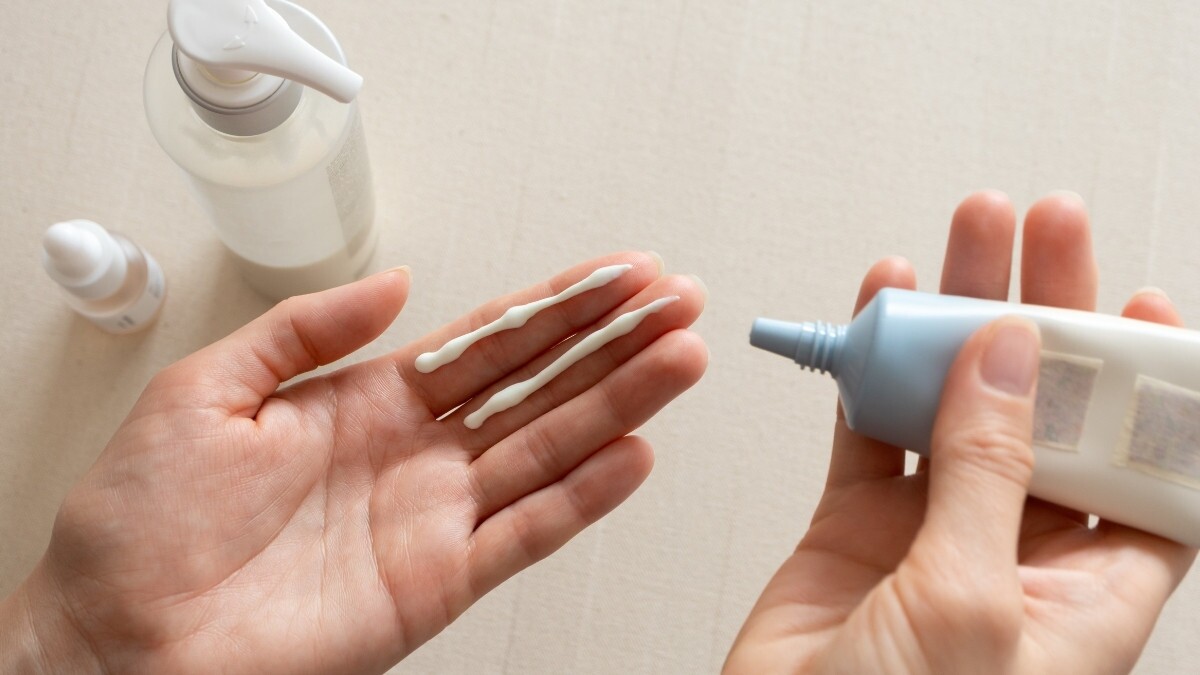
If you primarily use CBD topicals like salves, creams, roll-on gels, or balms, you may be wondering if the decision tree above even applies to you. Here’s some reassuring news backed by actual research.
Topicals Don’t Reach Your Bloodstream
Unlike CBD oils, gummies, or capsules that you ingest, topical CBD products are applied to the skin and work locally. The cannabinoids interact with receptors in your skin, muscles, and joints without significant absorption into your bloodstream.
A 2017 study specifically examined whether topical THC-containing products could cause positive drug tests. Researchers at the University of Bonn had three volunteers apply THC-containing salves extensively (covering 50-100 cm² of skin) every 2-4 hours over three days. Blood and urine samples were collected throughout the study and tested using GC-MS, the gold standard confirmatory method.
The result: Every single blood and urine sample tested negative for THC and its metabolites.
Why This Decision Tree Works: Drug Testing 101
Now that you know your risk level and what to do, let’s talk about why it works this way. Understanding the basics will help you make smarter choices going forward.
Drug Tests Don’t Look for CBD
Here’s the most important thing to understand: standard drug tests are not designed to detect CBD. They screen for THC metabolites, specifically, a compound called THC-COOH that your body produces when it breaks down THC.
So CBD itself? It won’t trigger a positive result. The problem is that many CBD products contain small amounts of THC, and that’s what can get you in trouble.
The Threshold Matters
Drug tests aren’t simply “positive” or “negative” for any trace of THC. They measure whether THC metabolites in your system exceed a certain threshold.
For most federal workplace drug testing, the initial screening cutoff is 50 ng/mL (nanograms per milliliter). If your sample exceeds that level, it typically goes to a confirmation test with a lower threshold of 15 ng/mL.
This means tiny amounts of THC might not register on a screening test, but regular use can push you over the line.
THC Accumulates Over Time
Here’s where many people get tripped up. Even if each dose of your CBD product contains only a tiny amount of THC (say, 0.2%), that THC doesn’t just disappear after each use.
THC is fat-soluble, meaning it gets stored in your body’s fat cells and released slowly over time. If you’re using a CBD product daily, those trace amounts can build up and sometimes enough to exceed testing thresholds.
This is exactly why daily users of full-spectrum CBD face a higher risk than occasional users.
Test Types Vary
Different drug tests have different detection windows:
| Test Type | Detection Window | How Common |
| Urine | 3-30+ days depending on use | Most common (workplace standard) |
| Saliva | 24-72 hours | Less common; roadside/immediate testing |
| Blood | 1-7 days | Rare for employment; more for medical/legal |
| Hair | Up to 90 days | Less common; longest detection window |
Most workplace drug tests use urine screening, which is why THC accumulation matters so much.
Not All “THC-Free” Claims Are Created Equal
The CBD industry is largely unregulated. The FDA doesn’t approve or oversee most CBD products the way it does pharmaceuticals or even food products. This creates a significant problem: what’s on the label isn’t always what’s in the bottle.
Understanding the Labels
When shopping for CBD, you’ll see various terms related to THC content. Here’s what they actually mean:
“Contains less than 0.3% THC.” This is the legal limit for hemp-derived CBD products under the 2018 Farm Bill. It’s compliant with federal law, but it’s not zero. With regular use, this amount can accumulate.
“THC-Free.” This is a marketing claim. It should mean zero THC, but without third-party verification, you’re trusting the manufacturer’s word. Given the labeling accuracy issues in the industry, that’s not always reliable.
“Non-Detectable” or “ND” This means THC levels are below the laboratory’s limit of detection—typically less than 0.01% or even lower. This is the most reliable indicator that a product is truly THC-free.
“0.0% THC” Truly zero THC. This requires specific extraction processes and rigorous testing to verify. When backed by third-party lab results, this is your safest option.
How to Read a Certificate of Analysis (COA)
A Certificate of Analysis is a document from an independent laboratory that shows exactly what’s in a CBD product. If you’re concerned about drug testing, learning to read a COA is one of the most important skills you can develop as a CBD consumer.
What to look for:
- THC and THC-A lines: These should show “ND” (non-detectable), “0.0%,” or “<LOQ” (below limit of quantification)
- The testing lab: Should be an independent, accredited third-party lab, not the manufacturer’s own facility
- Batch matching: The COA should match the specific batch number on your product
- Test date: Should be relatively recent; COAs older than a year may not reflect current production
Here’s our philosophy: If a company won’t show you their lab results, that tells you something. Transparency isn’t just nice to have; it’s essential when your job might be on the line.
Frequently Asked Questions
I tested positive, but I only use CBD. What now?
First, don’t panic, but do act quickly. Here’s what you can do:
- Request a confirmation test. Initial screening tests (immunoassays) can sometimes have cross-reactivity issues. A confirmation test using GC/MS (gas chromatography-mass spectrometry) is more accurate and can better distinguish between cannabinoids.
- Provide documentation. Gather your CBD products, their COAs, and any receipts. This shows you were using legal, hemp-derived products in good faith.
- Know that outcomes vary. Some employers may reconsider; others won’t. Some states have protections for off-duty legal product use; others don’t. The outcome depends heavily on your specific employer and location.
- Consider what to do differently going forward. If you were using full-spectrum products, this might be the push to switch to verified THC-free options.
Is there any CBD that’s 100% guaranteed to never cause a positive test?
We wish we could offer that guarantee, but honestly? There are too many variables for anyone to promise 100% certainty. Individual metabolism differs. Test sensitivity varies. Even the most rigorous testing has detection limits.
What we can say is this: verified THC-free products from reputable manufacturers carry the lowest possible risk. For most people using properly verified THC-free CBD, the likelihood of a positive test is extremely low, essentially negligible.
How long should I stop using CBD before a drug test?
For THC-free products, you may not need to stop at all. Though some people prefer to pause 1-2 weeks before a test for extra peace of mind.
For full-spectrum products, we recommend stopping at least 30 days before your test. THC can stay in your system for 2-4 weeks with regular use, and giving yourself extra time accounts for individual variation.
Does CBD oil expire? Could an old product be riskier?
CBD products do have shelf lives, typically 1-2 years. Expired products may lose potency, but they don’t become “riskier” in terms of THC content.
However, if you’re using a product that’s been sitting around for years, it’s worth checking whether the brand still maintains the same quality standards and getting a fresh batch with a current COA.
You Shouldn’t Have to Choose Between Wellness and Your Career

If you’re still unsure which product is right for you, or if you have questions we didn’t cover here, we’re real people who are happy to help. Give us a call at 417-437-8304.
At Nature’s Arc Organics, you’re not just a customer, you’re family. And family helps family figure things out.